Why use a tethered drone system?
How tethering solves the limits of battery-powered drones: endurance, power, stable thrust and jamming.
Drones are among the most versatile robots available today. With the right equipment and sensors they serve many sectors, limited only by imagination and their physical limits, which are well known:
- Limited flight time and endurance
- Limited power for power-hungry payloads
- Loss of maximum thrust as battery voltage drops
- Susceptibility to jamming and interference
The root cause is usually the energy source, the lithium battery, along with signal reliability. Jamming devices are easy to obtain, and many new cities embed power cables and wireless devices in the ground, walls and buildings, which can stop drones taking off or even cause crashes.
How a tethered system helps
A multirotor flies well when it can instantly adjust motor speed to correct its position, which needs a stable voltage. A tethered system:
- Uses energy sources on the ground, removing the weight limits of on-board batteries.
- Transfers power reliably over an electrical cable. At high enough voltage the cable stays light, allowing longer distances.
- Provides faster data transfer between ground and aircraft.
- Gives an un-jammable control link, improving safety in hostile environments.
The NACT advantage
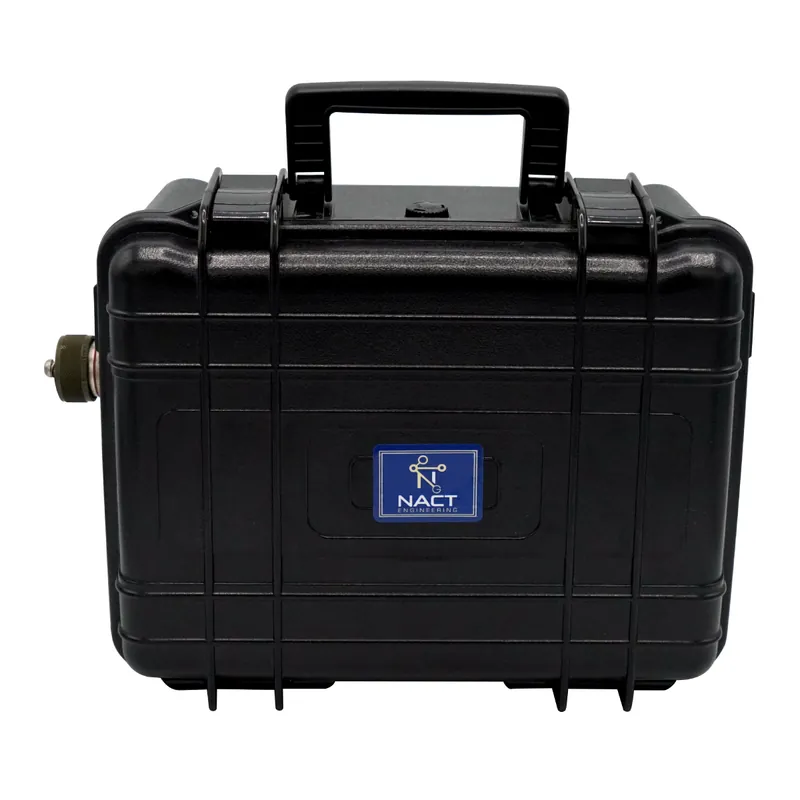
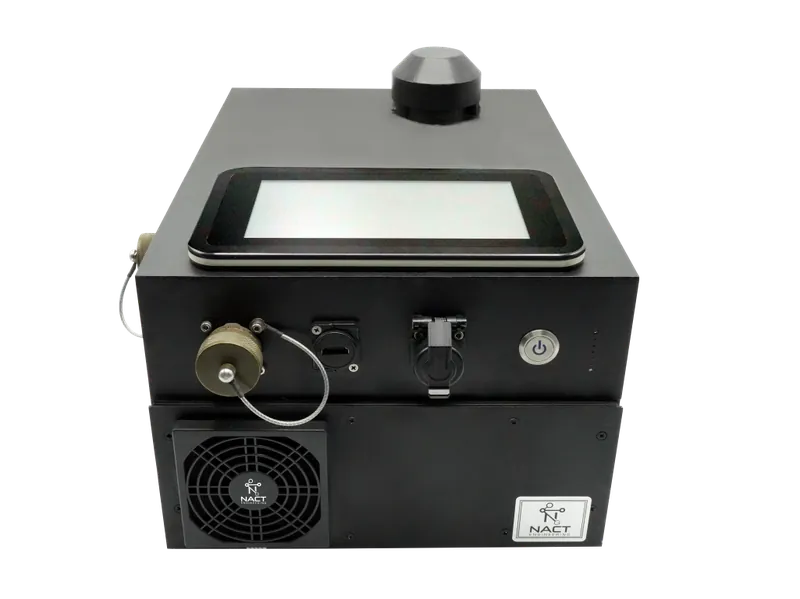
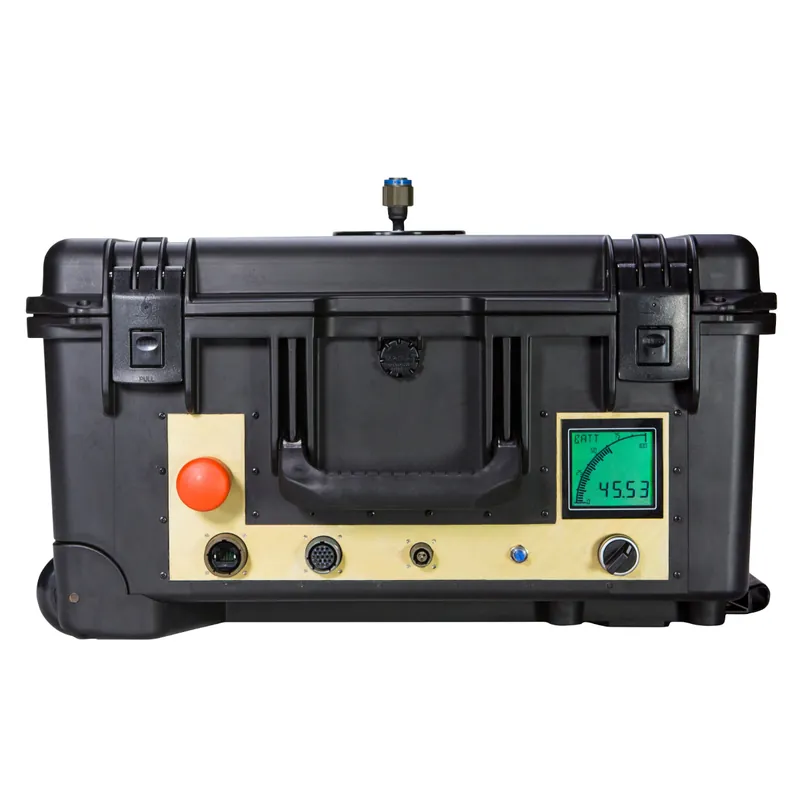
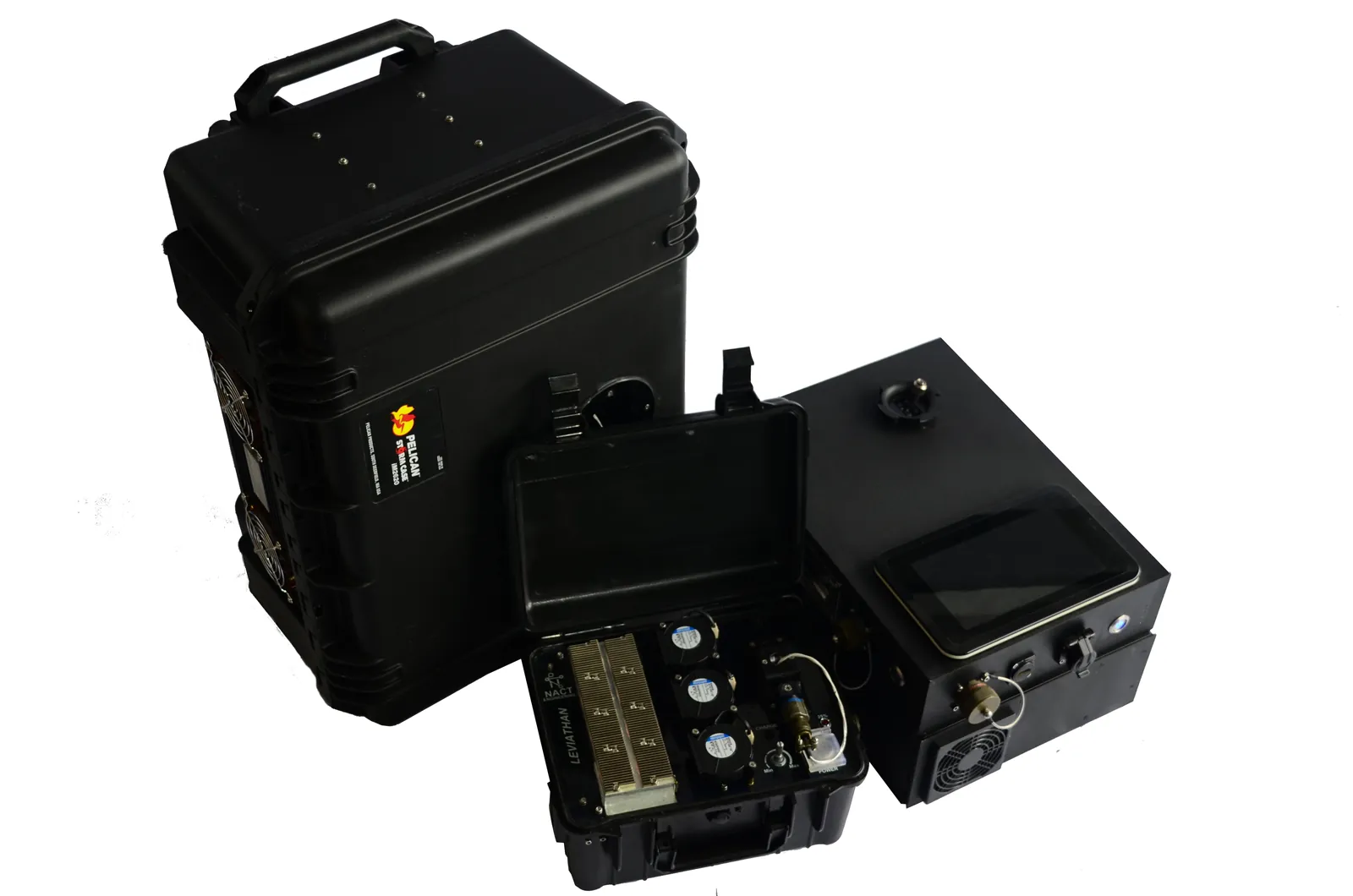
NACT tether power solutions have operated for many Singapore government agencies and have been granted waivers to fly in no-fly zones, because they are considered safe for critical airspace, with redundant power and safety systems. Every system comes with:
- Ground batteries and/or a mains power adapter
- Reliable ground power systems built to Mil-Std 810
- A reliable tether power and data cable
- A proprietary adjustable constant-tension winch
- An aircraft power card built to Mil-Std 810 and 704
- An optional backup battery for redundant operation
NACT has the highest power-density aircraft power card, at voltages up to 6,000 V, delivering up to 20 W/g. It can weigh less than the original battery (including the tether cable), so the drone can carry more payload. Our power module carries propulsion power plus auxiliary voltages and monitoring for electronics and payloads, and every integration to date has been demonstrated with zero failures.